
In today’s fast-paced digital world, businesses are under immense pressure to innovate quickly and stay competitive. The solution? Embracing low-code platforms. These platforms offer a powerful and efficient way to transform operations, deliver faster solutions, and drive automation. But adopting low-code isn’t just a one-time decision; it’s a journey that reshapes how your organization approaches technology. In this blog post, we break down key insights from the whitepaper “Your Low-Code Journey: Destination – Digital Transformation” to help you understand and navigate this transformative path.
Digital Business Needs Low-Code
The digital age demands more than just technology support—it requires that technology become an integral part of how a business operates, interacts with customers, and responds to challenges. Software is at the heart of this. Yet, as businesses evolve, many find themselves stuck with outdated, clunky systems, or worse, relying on workarounds like spreadsheets to handle critical tasks.
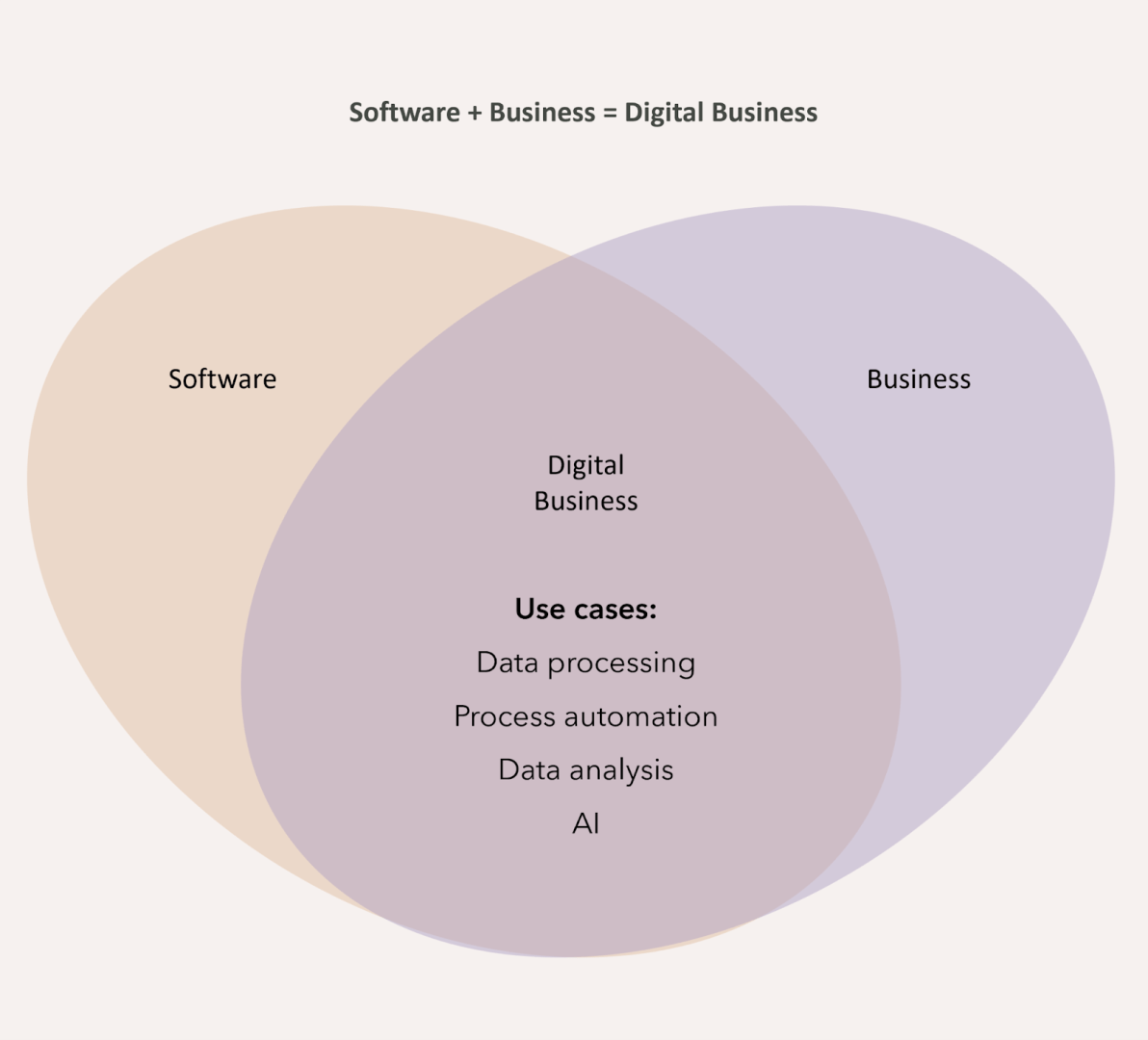
Source: Analyst.Tech Research Paper – Your Low-Code Journey: Destination – Digital Transformation
This is where low-code comes in. Low-code platforms let you build applications quickly, making them essential for businesses that want to keep pace with digital demands. When COVID-19 hit, many companies realized they needed to adapt—and fast. The lesson was clear: the ability to swiftly build and modify software is key to surviving and thriving in a constantly changing landscape. Low-code empowers businesses to do just that.
The Puzzle of Low-Code Strategy
Here’s the catch: many leaders expect low-code to be a magic bullet. But real success comes from understanding it as a journey—a gradual shift from traditional software practices to an integrated digital approach.
Think of it like a road trip. You’ll hit speed bumps, find shortcuts, and take unexpected turns, but the destination remains the same: building a fully digital business. It’s not just about implementing low-code tools; it’s about rethinking how your teams create, automate, and innovate using those tools.
Your Journey to Low-Code Adoption
Low-code isn’t a single stop on your roadmap—it’s a continuous process that unfolds over time. Every organization is somewhere on this journey. Some teams may already be experimenting with low-code, developing apps to streamline processes or fill automation gaps. This grassroots innovation is powerful, but for a business to fully unlock the potential of low-code, leadership needs to step in and organize the effort.
The key is to treat low-code as a long-term strategy. Establish the right expectations, invest in training, and support teams as they transition into this new way of working. It’s not about rushing to the finish line, but about building a sustainable system for digital innovation.
The Four Low-Code Journeys
While every company’s low-code journey looks different, the goal is the same: to become more digital. Whether in finance, manufacturing, healthcare, or the public sector, your path will be shaped by unique challenges—regulations, customer expectations, or legacy systems, to name a few.
For example, a highly regulated industry like finance will have to navigate stringent rules as they digitize, while a manufacturing firm may prioritize automating supply chain processes. Despite these differences, the destination remains deep automation that puts software at the heart of every business move.
7 Questions to Propel Your Journey
Every journey starts with the right questions. Here are seven key questions to help you steer your low-code strategy in the right direction:
- Where should we begin?
- Who will lead the journey?
- What roles and responsibilities are essential?
- Who can support the team?
- What are the risks and constraints?
- What tools will you need?
- What standards should you set?
By answering these questions, you’ll lay a strong foundation for your low-code journey and be prepared to tackle any obstacles along the way.
Low-Code Maturity Model
As you progress, it’s important to measure how far you’ve come. The Analysis.tech-Joget Low-Code Maturity Model provides a roadmap for tracking your journey. It highlights five key stages of maturity, helping you assess where your organization stands in terms of leadership, platform adoption, funding, and organizational change management.
This model isn’t just about checking boxes—it’s a guide to ensure that your business is moving closer to full digital transformation with every step. By understanding your current position, you can make smarter decisions on how to accelerate your progress.
Empowering Your Low-Code Journey: The Joget Advantage
The Joget platform goes beyond simply offering low-code tools. It provides businesses with a holistic solution that not only helps in rapidly building applications but also addresses the unique challenges each organization faces on its digital transformation journey. Joget combines the power of both no-code and low-code capabilities into one seamless platform, making it accessible to all types of users—from non-technical citizen developers to seasoned IT professionals.
One of Joget’s key advantages is its ability to cater to a wide range of business needs. Whether your organization is just starting with simple apps or scaling up to complex enterprise-grade solutions, Joget’s flexibility supports your entire low-code journey. Its visual, drag-and-drop interface allows users to quickly validate and execute apps, while its Generative AI features accelerate development even further. Additionally, Joget ensures that as you build, the platform provides governance and guardrails to align with your company’s business rules and standards.
Joget helps organizations through their low-code journey by empowering teams to innovate quickly, adapt to changing demands, and continuously evolve toward their digital transformation goals. As you move forward in your low-code journey, Joget ensures that you’re not just adopting a tool, but embedding a framework for long-term, scalable success.
The Road Ahead
Every business is on a low-code journey, whether they realize it or not. The difference between success and stagnation lies in how well you navigate it. The destination is clear: a fully digital business, powered by automation and agile software development.
Low-code isn’t just a trend—it’s the key to unlocking innovation, agility, and long-term success. By approaching it as a journey, asking the right questions, and leveraging tools like the Low-Code Maturity Model, your organization can confidently move toward its digital future. The road may be winding, but the destination is well worth the drive.
Ready to take the next step in your low-code journey? Discover more strategies and insights by exploring the full whitepaper.
More on Low-Code Journeys:
Like this:
Like Loading...
Related